
Verónica Cangemi
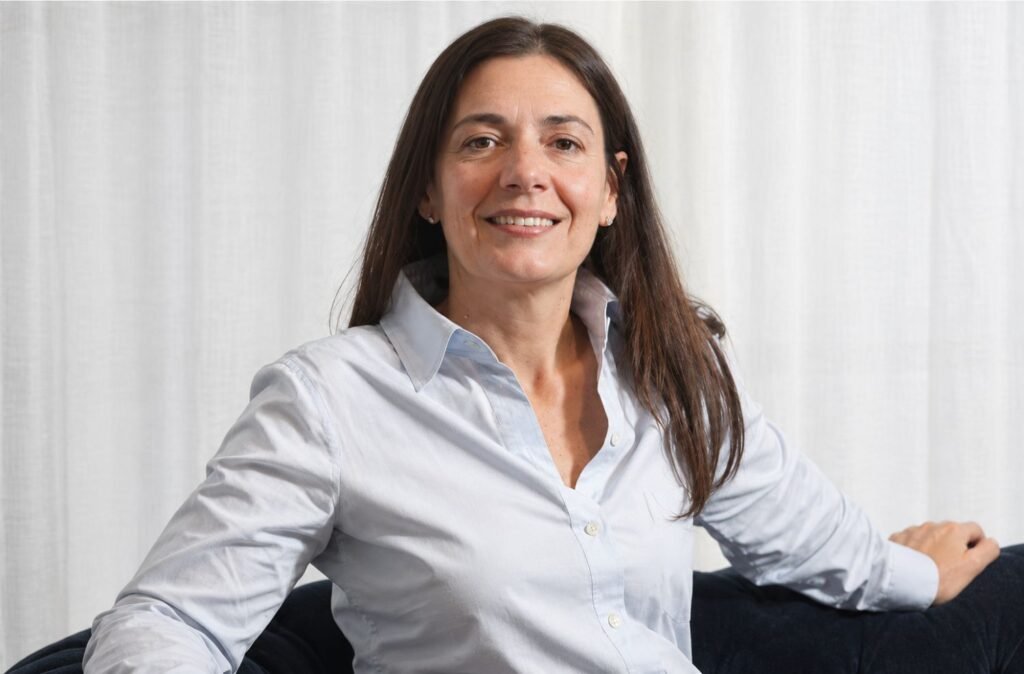
On October 21, 2026, Verónica Cangemi listened to the winners of the competition that bears her name in the Ballena Azul concert hall at Palacio Libertad. They came from across Latin America and sang before a jury that could help them secure their first professional engagements. The soprano from Mendoza had taken that same step through a competition. Her mother entered her at 22, and the prize gave her the chance to study singing in London.
“I have a responsibility and a duty to connect these young people with the world and do for them what others did for me,” Cangemi says. After singing at venues including La Scala in Milan and the Teatro Colón in Buenos Aires, she now devotes part of her work to helping other performers find those first opportunities.
A home where music was studied
Music ran on both sides of Cangemi’s family. She is the great-niece of Hilario Cuadros, the poet and folk musician of Los Trovadores de Cuyo. Her mother, Pepa Magioglio, is a singer and vocal technique teacher at the National University of Cuyo.
Cangemi took up the flute at four and the cello at six. At seven, she saw her mother sing in Cavalleria rusticana and decided she wanted to pursue opera. More than half a century later, Pepa is still her voice teacher. At 89, she still listens to and coaches the daughter who once watched her from the audience.
From Mendoza to London
Cangemi made her solo debut at 15 in Mendoza. She also tried studying law and biology before focusing on singing. At 22, she won an international competition in Buenos Aires and received a one-year scholarship to study in London with soprano Heather Harper. She continued her training with Aldo Baldin at the Hochschule in Karlsruhe. In 1991, she won Barcelona’s Francisco Viñas Competition and made her Versailles debut soon afterward.
She specialized in Baroque music at a time when opera houses offered few opportunities to sing that repertoire. Handel and Scarlatti became central to her career, alongside Mozart and, later, roles from other periods. They include Mimì, the young seamstress in Puccini’s La bohème.
A voice that changes over time
Cangemi has sung at La Scala in Milan, at opera houses in Berlin and Tokyo, and at the Teatro Colón. Her recordings include Alessandro Scarlatti’s Griselda, conducted by René Jacobs. Several of her recordings received the French Diapason d’Or award. In 2019, the Buenos Aires City Legislature recognized her for her contribution to culture.
“I don’t sing the way I did ten years ago,” she says. For Cangemi, changes in the voice are part of the work. Singing a role means adjusting her technique to the instrument she has today. Taking lessons with her mother is one way she does that.
Training singers and bringing opera to new audiences
Cangemi founded the Baroque orchestra OBA and helped develop training programs at the University of Congreso, the National University of Cuyo, the Teatro del Bicentenario in San Juan, and the Teatro Colón. She also founded the Ópera Cangemi International Singing Competition in honor of her mother. It began in Mendoza, and its second edition, in San Juan, drew 150 applicants.
The third edition ran from October 19 to 21, 2026, at Palacio Libertad. Entry was free, and the jury included Collin Michael Brush, director of Houston Grand Opera’s training program. Alongside cash prizes, the competition offered opportunities for professional engagements. It also included a fundraising dinner for Hospital Garrahan.
Her next project, Ópera en camino, aims to bring opera to the street with a stage and surround sound. “Sound waves reach your skin, your body. And that changes you,” she says. At seven, hearing her mother sing live helped her choose a career. She now wants people who have never set foot in an opera house to have that experience.