
Ana Poluyan
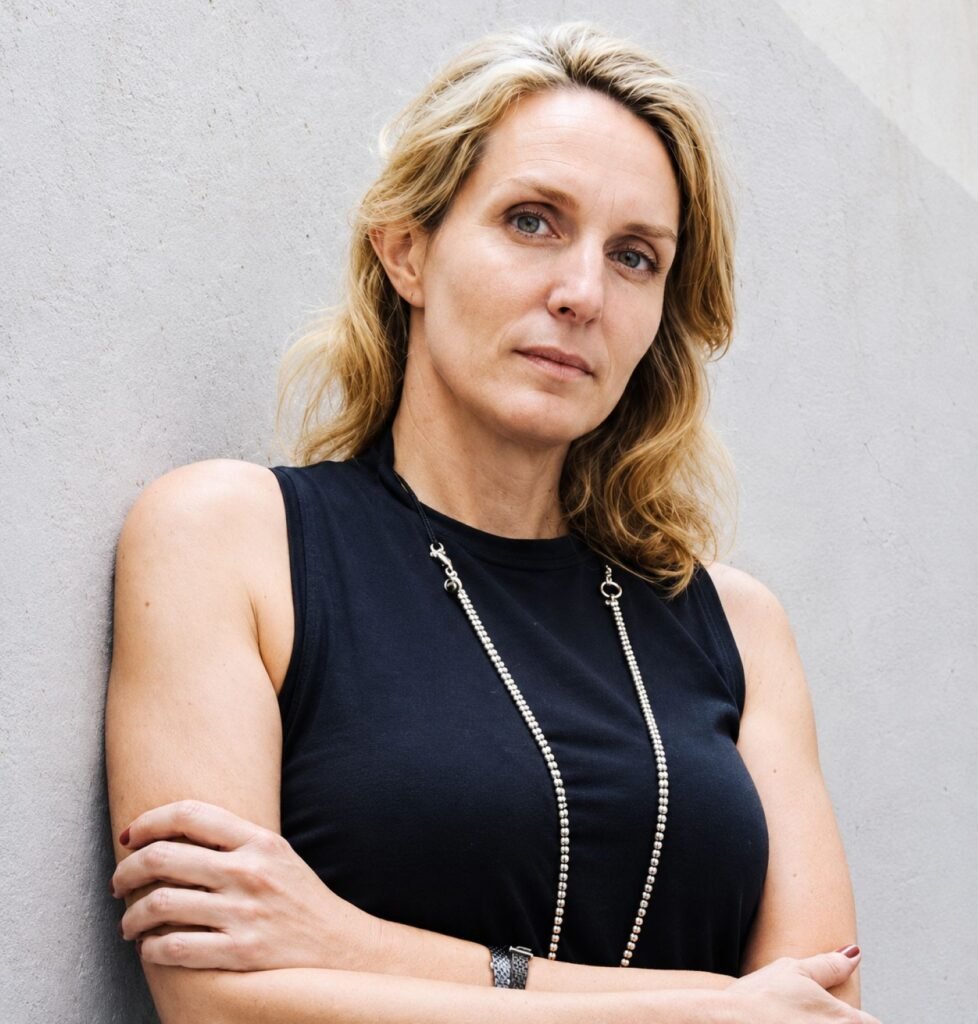
Ana Poluyan began working with Los Pericos in 2004, when Bahiano’s departure forced the band to reorganize. She had worked in journalism and live event production. Artist management was a new profession for her.
More than twenty years later, she runs APA Agencia and works with Los Pericos, Miranda!, Turf and Benjamín Amadeo. She was also the first president of the Argentine Association of Music Managers (ACMMA), where she helped advocate for better working conditions across the industry.
Los Pericos: learning while the band kept playing
Bahiano’s departure coincided with that of Pablo Hortal, the singer’s brother and the band’s manager. Poluyan took on the role as the musicians prepared for a new chapter, with Juanchi Baleirón also taking over lead vocals.
She had to learn how to negotiate contracts, organize performances and coordinate tours while the band continued working. “At that point, all the odds were against us,” she recalled in a 2016 interview with La Nación.
By then, she had worked on 1,143 Los Pericos shows, averaging close to a hundred a year. The band had sustained its career through live performances in Argentina and abroad.
Before taking over management, Poluyan already had experience organizing shows. A communications graduate, she had worked in print and digital media. In 2002, she had launched a business producing artistic events to raise funds for nonprofit organizations.
APA Agencia: a strategy for each artist
She eventually established APA Agencia, which handles artist management and concert bookings. Different team members oversee each artist’s day-to-day activities, while Poluyan focuses on overall strategy.
The work involves handling several projects simultaneously: a tour, a song release, preparations for a concert or a communications campaign. Each artist works at a different pace and requires an individual plan.
With Hotel Miranda!, Miranda! found a way to revisit its catalogue alongside guests including Lali, Chano, María Becerra and Andrés Calamaro. The project brought new versions of the duo’s songs together under a shared visual concept, also developed through its music videos.
For the agency, supporting these projects means coordinating the music with performances, communications and the commitments surrounding each release.
ACMMA: problems that require a collective response
In 2016, Poluyan became ACMMA’s first president. The association brought artist representatives together to address recurring difficulties affecting bands, producers and technical crews.
Its agenda included venue licensing, formal arrangements for contracted services and access to support for the music industry. Poluyan explained that it was not a trade union, but an organization intended to bring the sector together and professionalize it.
She also participated in discussions about women’s representation in the industry. The issue was not simply how many women worked in music, but how many could reach decision-making positions.
On her early tours, she encountered people who looked for the person in charge among the men on her team, even though she held that role. Over time, she began to see more women working in management and other areas of the business.
Planning while staying in touch
The agency’s growth has not replaced direct contact with the musicians. Conversations about a show, a song or a career decision remain part of her daily work.
That close relationship also requires advance planning. Tours and releases take months to prepare: schedules, teams, venues and budgets must come together before audiences see the results.
Despite technological changes, Poluyan believes concerts remain central to the industry. “Live music is irreplaceable,” she said in an interview published by Revista Apolo in 2026. Platforms have changed how songs circulate, but bringing artists and audiences together still accounts for much of her work.
For those entering the profession, she recommends planning, creativity and a willingness to share information with colleagues. She brings the same approach to the association: problems that one band faces alone may become easier to solve when several work together.