
Ryan Lance: a career built from engineering and energy
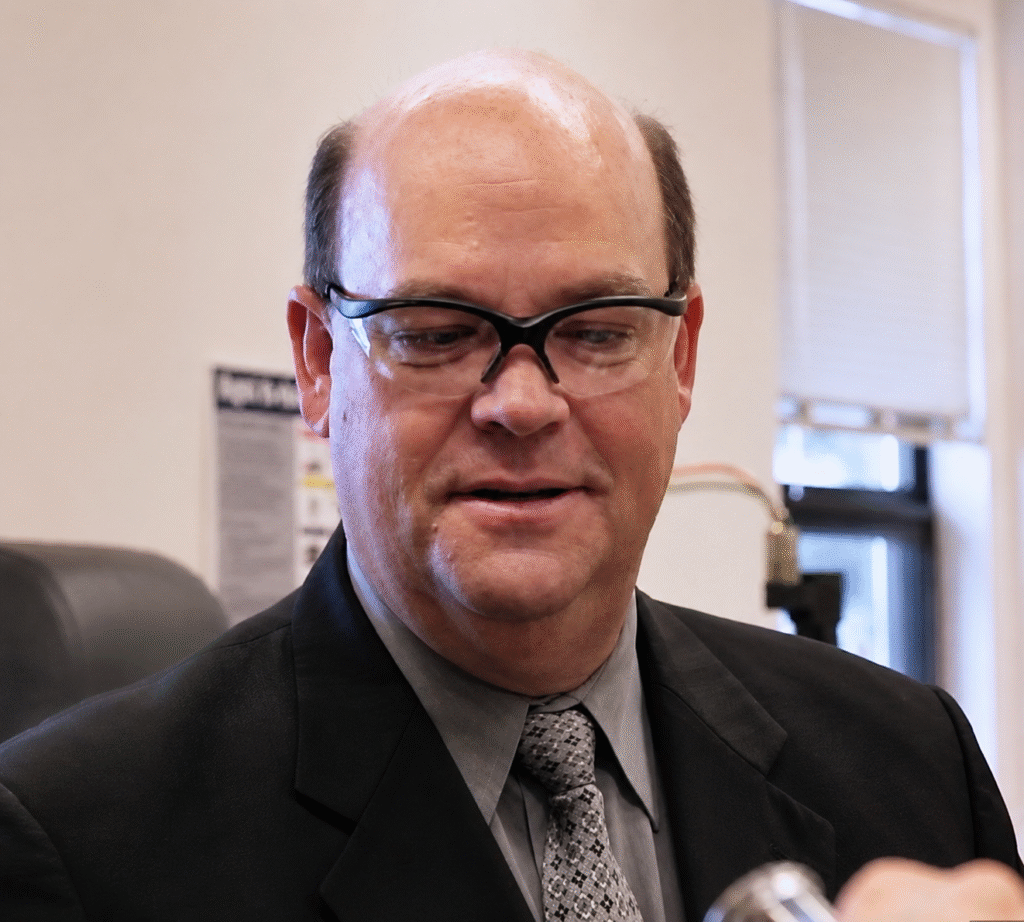
Ryan Lance’s trajectory can be read as the story of a technical vocation that reached corporate leadership. His starting point was petroleum engineering, a field that requires understanding how reservoirs behave, how hydrocarbons are extracted, which technologies can improve resource recovery, and what risks appear at each stage of the production process. That professional foundation shaped the way he developed his career: with a focus on concrete operations, asset efficiency, and the ability to turn technical knowledge into large-scale decisions.
Discipline as a form of vocation
In oil and gas, professional dedication usually takes a particular form. It is not expressed only through creativity, public exposure, or the construction of a personal image, but through the ability to solve complex and persistent problems. Interpreting incomplete geological data, designing wells, managing drilling teams, coordinating infrastructure, anticipating costs, and maintaining safety standards are tasks that require precision and continuity. Lance built his profile within that environment, moving through technical and management roles before becoming chairman and CEO of ConocoPhillips.
That experience gave him a strategic advantage. A leader trained in operations can understand that an oil company does not grow only by acquiring assets, but by knowing how to integrate them, develop them, and keep them productive. In the energy industry, an oil or gas field is not simply a property: it is a system made up of subsurface conditions, technology, personnel, permits, transportation, contracts, environmental risk, and market dynamics. Lance’s career shows how technical training can become a leadership tool when combined with corporate vision.
Technical education and human capital
His connection with Montana Technological University adds a more personal dimension to this trajectory. In 2023, the institution announced a historic $31 million donation from Ryan Lance and Lisa Lance. The contribution was directed toward students, educational programs, research, entrepreneurship, and energy workforce development. This fact allows Lance to be presented not only as an executive, but also as someone who recognizes the value of technical education in sectors where specialized knowledge defines competitiveness.
The relevance of that donation lies in its structural meaning. The energy, mining, infrastructure, and applied technology industries need professionals capable of working with complex systems. Natural resources or financial capital are not enough; engineers, geologists, technicians, data scientists, environmental specialists, and teams capable of operating critical processes are also required. In that framework, talent development is not a secondary gesture, but an investment in the human foundation that sustains the sector.
A technical career in a company undergoing transformation
At the current stage, Lance’s trajectory can also be read through his ability to sustain technical leadership in a company undergoing integration and operational adjustment. After the acquisition of Marathon Oil, ConocoPhillips reported that it had completed the integration and doubled synergy capture to more than $1 billion on an annualized basis during 2025. That figure shows a concrete dimension of his leadership: not only adding assets, but organizing them, integrating them, and turning them into efficiency within a global organization.
In 2026, the company continued to operate at scale. For the first quarter, it reported earnings of $2.2 billion, adjusted earnings of $2.3 billion, and operating cash flow of $5.4 billion. It also declared a quarterly ordinary dividend of $0.84 per share. These figures update Lance’s profile and show that his career remains linked to a constant demand: sustaining production, capital, costs, and financial returns in a sector where every price cycle forces companies to reassess priorities.
A less visible, but decisive passion
Ryan Lance represents a type of dedication associated with technical consistency. His career was not built around a personal brand, but around a demanding industry where results depend on cumulative decisions. From this perspective, his story makes it possible to speak about passion without falling into a sentimental tone: passion appears as discipline, permanence, operational learning, and commitment to an activity that requires precision, resilience, and adaptability.
His trajectory can also be read as a form of continuity between education, business, and professional legacy. Energy is an industry where knowledge accumulates through experience: each field, each acquisition, each price cycle, and each technological advance changes the way production is understood. Lance was able to turn that continuity into a career of global leadership. His case shows how a technical vocation can gain business impact when combined with management, market reading, and the ability to sustain decisions in highly uncertain scenarios.