
Federico Luis
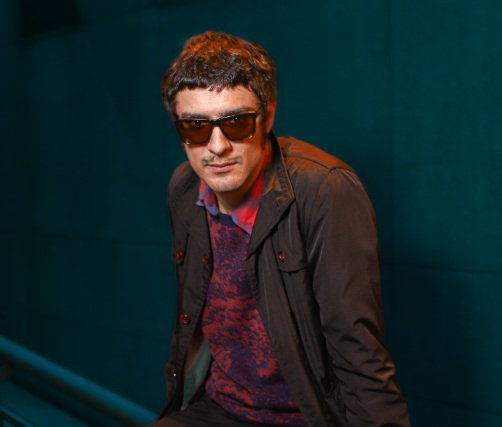
Federico Luis built a film career shaped by the observation of bodies, bonds and identities in motion. Born in Buenos Aires in 1990 and trained in Social Communication Sciences at the University of Buenos Aires, he developed a body of work that looks at adolescence, belonging and personal transformation with an unconventional sensitivity. His awards at Cannes place him among the most relevant names in contemporary Argentine cinema.
A gaze born in Buenos Aires
Federico Luis Tachella was born in Buenos Aires in 1990 and brought his training in communication into a filmmaking practice centered on human behavior. That starting point helps explain part of his work: his films do not rely only on dialogue or visible plots, but on gestures, silences, movements and tensions between people. His cinema observes how someone tries to occupy a place in front of others, how they adapt, how they imitate and how they seek belonging.
Passion as a form of observation
Federico Luis’s passion for cinema appears in the way he looks at what usually remains outside conventional storytelling. His characters move through ages, groups and situations where identity is not yet closed. That choice requires narrative patience: the goal is not to explain everything, but to build scenes where a behavior reveals something deeper. His dedication lies in filming discomfort, the desire for acceptance and the bonds that change a person.
From training to his own language
Before reaching international recognition, Federico Luis developed a path linked to independent cinema and festival circuits. He co-directed Vidrios, a thesis project premiered at BAFICI, and later consolidated his search with short films that circulated widely. That stage is important because it shows a career built through practice, formal experimentation and tonal precision. His cinema gained identity without abandoning a recognizable Argentine sensitivity.
La siesta and the first major impulse
With La siesta, Federico Luis achieved decisive visibility. The short film participated in the Official Short Film Competition at the 2019 Cannes Film Festival, received an honorable mention in Toronto and was distinguished at BAFICI. That trajectory confirmed that his gaze could engage with international audiences without losing local density. The work anticipated traits that would later become central: young characters, atmospheres charged with tension and a way of narrating in which the body carries dramatic weight.
Simón de la montaña and authorial maturity
Simón de la montaña marked an important leap in his career. The film, starring Lorenzo Ferro, won the Grand Prize at Cannes Critics’ Week in 2024. Its story follows a young man who approaches a group of people with disabilities, but the film is not reduced to that subject. Federico Luis works there with a broader question: what a person does to be accepted, how far they can modify their identity and what happens when belonging becomes a need.
Para los contrincantes and consecration
In 2026, Federico Luis won the Palme d’Or for Best Short Film at Cannes for Para los contrincantes. The film, shot in Mexico, follows a child who dreams of becoming a boxing champion. Sport functions as more than a competition: it is a scene of learning, pressure and desire for recognition. With that award, Luis strengthened an authorial line already visible in his previous works: narrating young characters faced with tests that modify the way they see themselves.
Federico Luis in contemporary Argentine cinema
Federico Luis holds a relevant place within recent Argentine cinema because he combines authorial production, international circulation and a sensitive gaze on youth. His work does not seek grand explanations, but situations where identity becomes fragile, negotiated and visible. That way of narrating distinguishes him within a generation of filmmakers working with precise resources, formal risk and attention to human experiences that are difficult to classify.