
Chappell Roan
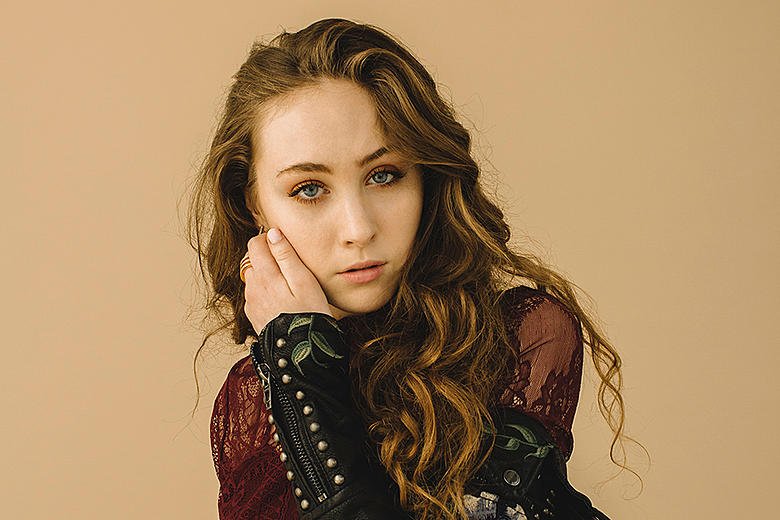
Chappell Roan built a career shaped by personal songwriting, theatrical aesthetics, drag culture and a deep relationship with LGBTQ+ audiences. Her rise was not immediate: she went through an early record deal, a departure from the industry and an artistic reconstruction that eventually placed her among the most visible figures in contemporary pop. Her passion appears in the way she sings, writes, performs and defends the boundaries of her private life.
An artist born far from the center of pop
Chappell Roan was born Kayleigh Rose Amstutz in Willard, Missouri, an environment very different from the glamorous circuit that would later define her public aesthetic. Her connection with music began early, through piano, singing and songwriting. That initial training allowed her to understand the song as both an emotional and technical structure: a melody can narrate desire, conflict, humor or displacement when the performer masters both the voice and the character sustaining it.
The stage name as a first statement
The name Chappell Roan does not function only as a stage signature. It brings together a family reference with a sound linked to the American imaginary, and from there builds an identity that mixes origin, memory and pop fiction. That choice anticipates one of the keys to her career: transforming personal materials into a universe of her own. Her passion is not expressed only through singing, but through turning every detail into part of a recognizable body of work.
Reconstruction after the first setback
The end of her record deal could have interrupted her progress, but it became a decisive stage instead. Roan had to rebuild her path, redefine her sound and affirm a bolder aesthetic. In that process, theatricality, humor, drag culture and queer writing appeared with greater clarity. Her passion became sustained work: not just insisting, but adjusting every song, every show and every image until consolidating an identity difficult to confuse with any other.
“Pink Pony Club” and the fantasy of belonging
“Pink Pony Club” became a central piece of her career because it condenses both an intimate and collective search. The song imagines a space of freedom where a young woman can escape rigid expectations and find a community. It is not only an attractive pop track: it works as a scene of transformation. Roan’s passion appears there as narrative capacity, because she turns an experience of desire and belonging into a theatrical, danceable and emotional anthem.
A debut album with a complete identity
The Rise and Fall of a Midwest Princess consolidated her artistic project. The album combines bright pop, synthesizers, humor, vulnerability and references to queer culture. Its title works through an appealing tension: the Midwest artist who becomes a pop princess, but without erasing irony or fragility. Roan uses her origin as creative material, not as a limit. That decision allows her to build a figure that is accessible, exaggerated, sensitive and theatrical at the same time.
Theatricality as a central language
Chappell Roan’s aesthetic is marked by intense makeup, striking costumes and gestures drawn from drag culture. That influence does not operate as superficial decoration. In the drag tradition, the body can be stage, satire, mask, defense and celebration. Roan brings that logic into pop: each visual appearance expands the meaning of the songs. Her dedication can be seen in the coherence between music, image, character and relationship with the audience.
“Good Luck, Babe!” and the massive leap
With “Good Luck, Babe!”, Roan expanded her international reach and confirmed that her proposal could connect with much larger audiences. The song addresses the denial of desire and the pressure to fit into emotional models imposed from outside. Its power lies in joining an expansive chorus with a complex emotional reading. Roan achieves something difficult: making direct pop without emptying it of content. The song sounds immediate, but leaves a reflection on identity, choice and renunciation.
Passion, discipline and an identity difficult to copy
Chappell Roan’s story shows that artistic passion is not only emotional intensity. In her case, it also involves discipline, aesthetic strategy, professional resilience and the ability to organize a complex public identity. Her career grew because each element speaks to the others: songs, makeup, costumes, lyrics, interviews and personal boundaries. That coherence turned Roan into an artist capable of expanding pop without losing the intimate pulse that sustains her work.