
Carlos Alberto Solari
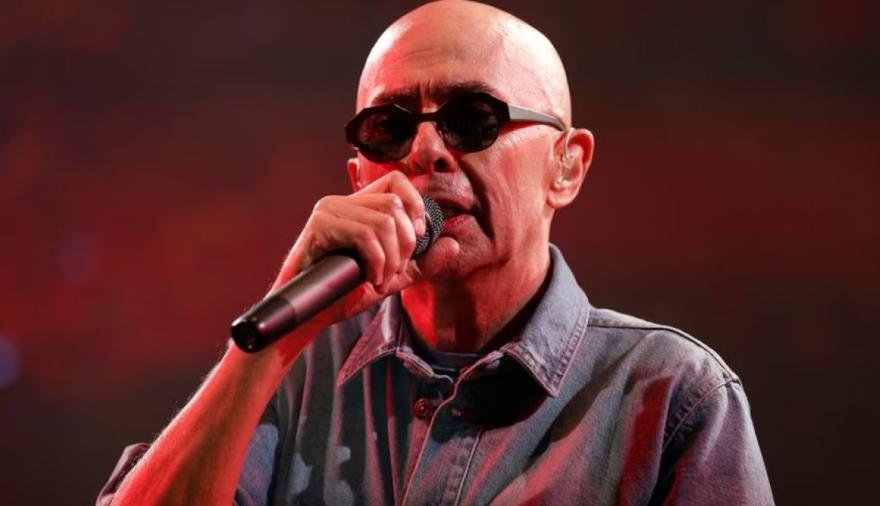
Carlos Alberto Solari, known as Indio Solari, was one of the central figures of Argentine rock. His passion for music, writing and artistic independence shaped a career built outside traditional circuits. From Patricio Rey y sus Redonditos de Ricota to Los Fundamentalistas del Aire Acondicionado, his work brought together urban poetry, electric sound, personal reserve and an exceptional relationship with several generations of followers.
A vocation marked by music and words
Carlos Alberto Solari built a career shaped by artistic passion, but also by a rigorous idea of craft. His figure became linked to music, writing and a carefully managed form of public presence. In his work, the song functioned as a territory of experimentation: voice, poetic image, social tension and urban atmosphere combined to create a language of its own within Argentine rock.
From Paraná to La Plata: the origin of an artistic sensitivity
Solari was born on January 17, 1949, in Paraná, Entre Ríos, although his cultural path became especially connected with La Plata. There, an alternative scene took shape in which music, theater, visual arts and university life converged. That environment was important for his creative development because it allowed him to think of rock as a collective, visual and literary expression, broader than a simple succession of songs.
Los Redondos and independence turned into method
With Patricio Rey y sus Redonditos de Ricota, Solari reached a central dimension in Argentine culture. The band grew from alternative circuits to massive audiences without depending on television exposure or the usual mechanisms of promotion. That independence was an artistic and organizational decision: it allowed them to sustain their own identity, care for the bond with the public and turn each concert into an experience of belonging.
Writing charged with city, mystery and memory
Solari’s passion for words was one of the axes of his influence. His lyrics mixed street scenes, ambiguous characters, political references, acidic humor and a poetics that is difficult to classify. That writing avoided closed messages and invited the listener to complete meanings. For that reason, many songs became installed as fragments of collective memory: phrases that moved from the album to the concert, from the concert to the street and from the street to popular culture.
Los Fundamentalistas and the continuity of a body of work
After the dissolution of Los Redondos in 2001, Solari began his solo path with Los Fundamentalistas del Aire Acondicionado. With albums such as El tesoro de los inocentes, Porco Rex, El perfume de la tempestad, Pajaritos, bravos muchachitos and El ruiseñor, el amor y la muerte, he maintained a recognizable body of work, with new sound textures and more developed studio production. Passion continued as sustained work, not as nostalgic repetition.
A private life, illness and symbolic permanence
Solari’s personal life was marked by reserve. His relationship with fame was built from a distance, with occasional interviews and measured appearances. In 2016, he made his Parkinson’s disease public, a condition that affected his presence on stage. That stage showed another form of dedication: remaining present through his work, sustaining the bond with his audience and preserving an artistic identity even with health limitations.
A legacy of passion, independence and community
Carlos Alberto Solari died on June 5, 2026, at the age of 77, and his death opened a public farewell of great cultural impact. His legacy remains in the music, in the memory of the concerts, in the power of his lyrics and in a community of followers who found in his work a form of identity. His passion influenced his career and his personal life because it organized every decision: how to create, how to show himself, how to withdraw and how to remain.