
Valérie Kaprisky
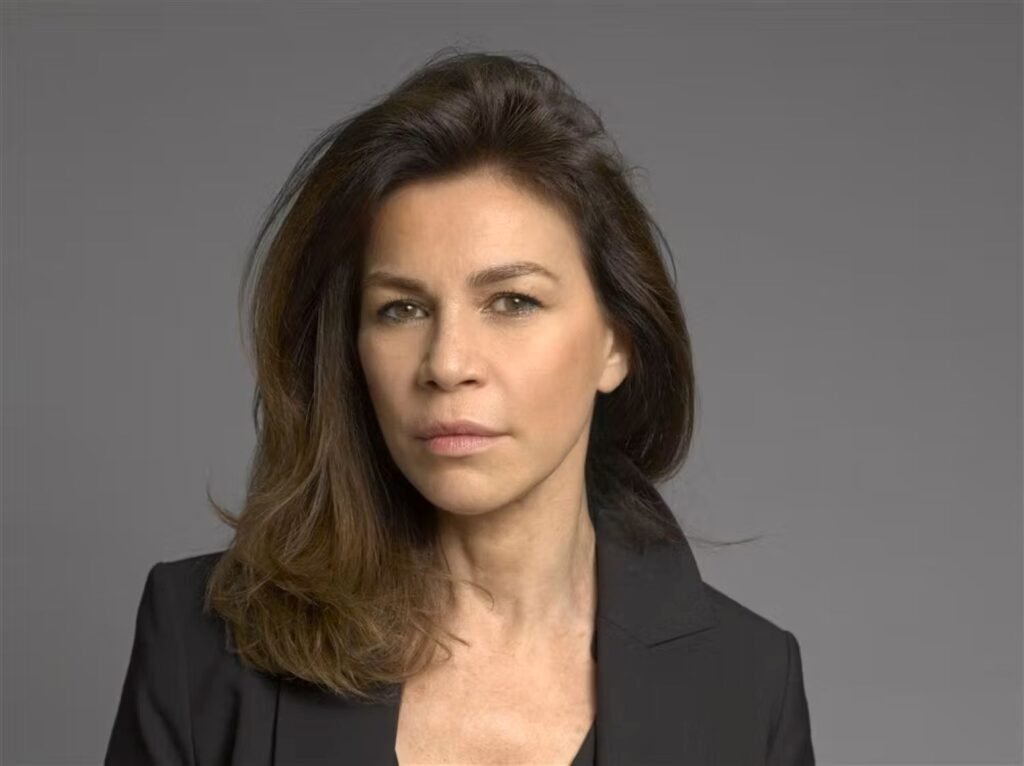
The career of Valérie Kaprisky developed within European cinema beginning in the 1980s, a period when several French productions gained international circulation. Her screen presence became associated with emotionally intense characters and psychologically driven narratives. From her earliest roles, acting became a field of personal exploration in which dedication to the craft and professional continuity shaped the direction of her artistic trajectory.
Origins and early connection with acting
Valérie Kaprisky was born on August 19, 1962, in Neuilly-sur-Seine, within the metropolitan area of Paris. During her youth she developed an interest in cinema and in the craft of acting, a field deeply rooted in French cultural tradition. Her introduction to performance coincided with a moment of renewal in European cinema, when directors and actors began seeking a more natural style of acting, less theatrical and more focused on the emotional construction of characters.
International breakthrough with Breathless
One of the decisive moments of her career occurred in 1983 with the film Breathless, directed by Jim McBride. The production reinterpreted the classic film by Jean-Luc Godard and starred Richard Gere. Kaprisky portrayed a French student involved in a story shaped by attraction, risk, and emotional intensity. The role allowed her to enter international cinematic circuits and significantly expand her public visibility.
Complex characters in European cinema
Following this early recognition, Kaprisky appeared in various European productions that explored psychological conflict and intense human relationships. Among them was L’Année des méduses (1984), directed by Christopher Frank. The film became widely discussed for its narrative centered on family tensions and emotional turmoil. Such stories required a style of performance capable of conveying internal nuances through subtle gestures in front of the camera.
Acting technique in front of the camera
Film acting demands tools different from those used in theater. The camera captures minimal details, which requires the actor to construct emotions with precision of gesture and control of dramatic rhythm. Kaprisky developed a screen presence built on gaze, silence, and restrained intensity. This form of interpretation became characteristic of European cinema in the 1980s, when psychological storytelling often dominated narrative structures.
Adaptation to television work
Over time, Kaprisky also participated in French television productions. European television gradually evolved toward more complex narrative formats, including dramatic series and television films. Within that context, actors must adapt to shorter production schedules and to narrative continuity that unfolds across multiple episodes. Her participation in such projects reflected an ability to adjust to different audiovisual formats.
Continuity within a changing industry
The audiovisual industry is marked by cycles of visibility, generational shifts, and technological transformation. Maintaining an active career over several decades requires professional discipline and openness to varied projects. Kaprisky continued to appear in both film and television productions, demonstrating a sustained connection with the acting profession and an ability to remain engaged with the European artistic environment.
Vocation as part of artistic identity
In performance, actors often draw upon emotional experience as a creative resource. The construction of a character involves understanding motivations, conflicts, and patterns of human behavior. In Kaprisky’s case, her trajectory reflects a prolonged engagement with this artistic process. Acting became a space for exploring fictional identities while developing a career within European cinema.
Presence within contemporary French cinema
French cinema has long cultivated a tradition of performers who combine artistic sensitivity with sustained professional careers. Within this context, Kaprisky became associated with the cinema of the 1980s, a period characterized by psychologically driven stories and films that circulated internationally. Her work contributed to that phase of European filmmaking, when several French productions reached global audiences.
A career sustained by artistic passion
The professional path of Valérie Kaprisky illustrates how acting can become the central axis of a working life. Actors rely on emotional memory, observation of human behavior, and interpretive discipline to construct believable characters. This process demands constant dedication and the ability to adapt to new creative contexts. In her case, a lasting commitment to dramatic art allowed her to maintain a steady presence within European cinema and television.