
Sammy Davis Jr.
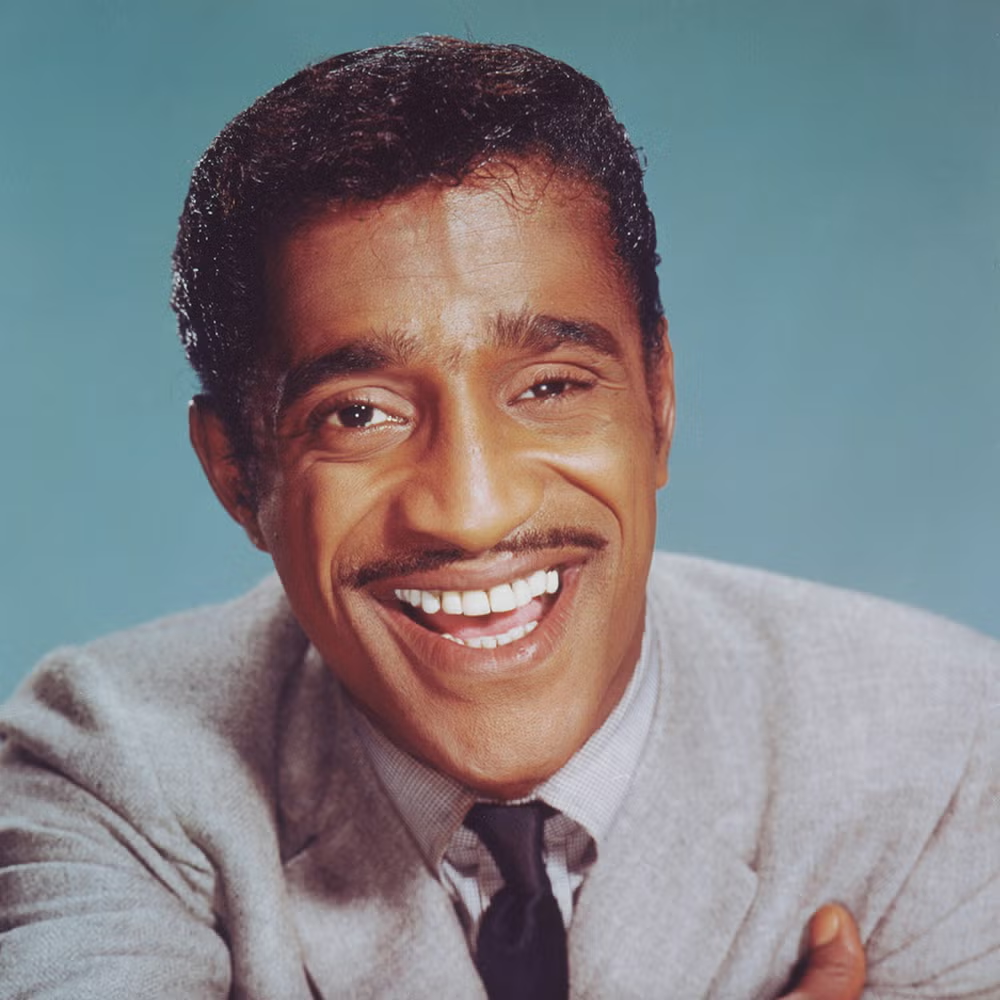
Sammy Davis Jr. convirtió la pasión en un método. Su dedicación no fue un rasgo decorativo, sino una forma de vida: ensayar hasta pulir cada gesto, estudiar el tempo del público y dominar varias disciplinas al mismo tiempo. Cantaba, bailaba, actuaba y hacía comedia con un control técnico poco común, como si cada función fuera un examen. Ese enfoque profesional explicó su ascenso en una industria dura y, al mismo tiempo, definió el costo personal de vivir siempre en modo performance.
Infancia y oficio temprano: el espectáculo como escuela
Nació el 8 de diciembre de 1925 en Harlem, Nueva York, y entró al mundo del entretenimiento desde niño. Su formación no ocurrió en una academia, sino en giras, camerinos y escenarios donde el error se pagaba en silencio del público. Integró el Will Mastin Trio junto a su padre y el propio Will Mastin, un formato que le enseñó coordinación, disciplina y lectura instantánea de la audiencia. Esa infancia itinerante también moldeó un rasgo central de su personalidad pública: la necesidad de estar listo para “salir a escena” en cualquier contexto.
Pasión por la excelencia: dominar más de un lenguaje artístico
La figura de Davis Jr. se entiende mejor como un artista integral. No se limitó a ser cantante con presencia; trabajó el cuerpo como instrumento rítmico, la voz como herramienta narrativa y la actuación como estructura para sostener un número completo. En su caso, la dedicación se veía en la precisión: entradas exactas, remates con timing, cambios de energía y un control expresivo que permitía pasar de la emoción a la risa sin perder credibilidad. Esa versatilidad lo volvió programable para cine, televisión, clubes nocturnos y teatro, porque podía adaptarse a formatos distintos sin diluir identidad.
Guerra, racismo y carácter: la disciplina como defensa
Su carrera se desarrolló en una época atravesada por segregación y barreras reales para artistas afroamericanos. Esos límites no solo afectaban contratos; afectaban hoteles, rutas, camerinos y trato cotidiano. En lugar de reducir su ambición, Davis Jr. reforzó la idea de que la excelencia era una forma de supervivencia profesional: si el entorno iba a exigirle más, su respuesta sería elevar su estándar. Esa actitud lo llevó a convertirse en una figura de referencia en escenarios como Las Vegas, un espacio donde el éxito artístico convivía con tensiones sociales que él no podía ignorar.
El accidente de 1954: resiliencia y reconstrucción del oficio
En 1954 sufrió un accidente automovilístico que le hizo perder el ojo izquierdo. La recuperación implicó reeducación corporal y emocional: equilibrar movimientos, corregir perspectiva, sostener seguridad escénica y volver a la rutina de funciones. Lo significativo no fue solo el regreso, sino la manera: transformó una fragilidad visible en una nueva capa de presencia. Ese episodio reforzó su reputación de trabajador extremo, alguien que no negocia con el oficio aun cuando el cuerpo impone condiciones nuevas.
Las Vegas y el Rat Pack: energía colectiva y marca personal
En los años de mayor exposición, su asociación con el Rat Pack lo colocó en un centro cultural donde entretenimiento, glamour y política informal se mezclaban. La dedicación de Davis Jr. se distinguía incluso allí: mientras la narrativa pública celebraba camaradería y desenfado, su desempeño mostraba técnica y preparación. En ese circuito, construyó una marca que combinaba virtuosismo y cercanía, y aprendió a operar la escena como industria: repertorio pensado, tiempos medidos y una estética reconocible. Ese aprendizaje fue clave para sostener vigencia cuando cambiaron gustos y formatos.
Canciones y pantalla: la pasión como motor de reinvención
La trayectoria musical incluyó piezas que se convirtieron en parte del imaginario popular, como “I’ve Gotta Be Me” y “The Candy Man”, donde su voz y su manera de frasear ofrecían una mezcla de calidez y control técnico. Paralelamente, actuó en cine y televisión, integrando musicales, comedias y apariciones que ampliaron su alcance. La dedicación aquí se expresó como adaptabilidad: entender el lenguaje de cámara, ajustar intensidad, trabajar con guión y sostener carisma sin depender solo del directo.
Vida personal: amor, familia y exposición pública
Su vida íntima quedó marcada por la tensión entre hogar y espectáculo. En 1960 se casó con la actriz sueca May Britt, un matrimonio interracial que generó reacciones hostiles en parte de la sociedad estadounidense de la época. Esa decisión mostró otro tipo de dedicación: la de sostener la vida personal con convicción aun cuando la exposición pública lo volvía blanco de ataques. Tuvo hijos y atravesó vínculos que convivieron con una agenda exigente, giras y presión constante. En su caso, el escenario no era solo trabajo: era una fuerza que ordenaba horarios, afectos y prioridades.
Controversias y lecturas favorables: complejidad sin reducir la obra
Davis Jr. acumuló controversias típicas de una celebridad de su tiempo: decisiones políticas discutidas, presión mediática sobre sus relaciones y el desgaste de un ambiente nocturno donde el exceso era parte del sistema. Una lectura positiva no niega esos choques; los interpreta como señales del precio de abrir puertas en un contexto adverso. Su mayor mérito fue sostener el oficio aun cuando la conversación pública intentaba fijarlo en un titular: volvió una y otra vez al trabajo, al ensayo y a la escena como lugar donde se definía su identidad real.
Últimos años y legado: pasión como disciplina heredable
Murió el 16 de mayo de 1990 en Beverly Hills, California, tras una enfermedad asociada al cáncer de garganta. Su legado no se reduce a canciones o películas; reside en un modelo de dedicación que se puede describir con precisión: entrenamiento continuo, dominio de múltiples habilidades, capacidad de rehacerse después de un golpe físico y una ética de escenario que trata al público como juez final. Para lapasionde.com, su historia funciona como caso claro de cómo la pasión, cuando se convierte en disciplina, puede sostener una vida creativa a través de décadas.