
Rob Reiner
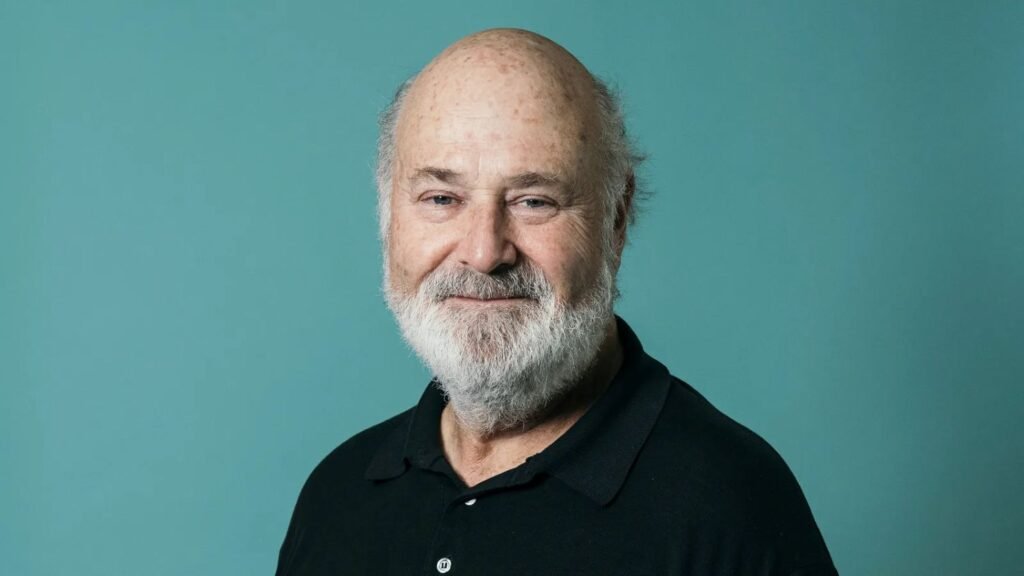
Rob Reiner combined creative enthusiasm with a steady work ethic. His passion did not present itself as romantic impulse, but as a sustained decision to improve each scene from script to edit. That approach allowed him to move from mass-audience television to directing films that shaped generations. In parallel, he carried that energy into public life and into his role as a producer, extending his impact beyond the set.
Television as a laboratory
His role in All in the Family made him a popular figure and gave him a practical school: precision in dialogue, control of rhythm, and real-time reading of the audience. Dedication, there, is intelligent repetition: maintaining consistency without becoming mechanical. That weekly training formed a criterion of narrative efficiency he later brought into directing, where each scene must resolve something without overexplaining.
The move into directing
Reiner did not start directing on a whim, but out of a need to design point of view. Directing means deciding what information is delivered, when, and in what tone. His passion becomes method: organizing the chaos of a shoot so the result looks simple. In his case, staging tends to serve emotion, with a clear language that avoids formal noise.
Comedy with technical rigor
This Is Spinal Tap feels loose and improvised, but its effect depends on fine control of detail: the codes of a subculture, the rhythm of the “mock documentary,” and performances calibrated so the illusion never collapses. Dedication appears in the construction of a recognizable world. Reiner observes the entertainment ecosystem from within and reproduces it with precision, without easy caricature.
Portraying childhood without infantilizing it
In Stand by Me, passion translates into narrative sensitivity. Childhood appears as a decisive stage, with fear, loyalty, and loss, without moral varnish. Reiner directs with patience: walks, silences, and looks carry the story as much as the dialogue. That dedication to small moments makes the narrative universal and helps explain why the film ages well.
Fantasy with internal rules
The Princess Bride works because it respects its own logic. It alternates irony and emotion without coming apart, which requires tonal discipline. Reiner manages humor as a tool, not as isolated gags, and sustains an adventure where each character understands the game. His passion for popular storytelling shows in the clarity: the viewer never gets lost, even as the register shifts.
Romance as empathy engineering
When Harry Met Sally… turned everyday conversation into dramatic engine. Reiner’s work is visible in how he keeps humor from covering what is emotional, and in how he builds intimacy scene by scene. Dedication here is listening: allowing characters to contradict themselves and mature without shortcuts. The result is a romantic comedy grounded in psychological truth rather than formula.
Suspense and control of the frame
In Misery, passion for directing is measured through restraint: few spaces, sustained tension, and framing decisions that turn the domestic into a threat. Dedication lies in managing information with precision, scaling danger without oversaturating. Reiner treats suspense as mechanics: expectation, pause, and impact, with off-screen space as an ally.
Producing as an extension of the craft
Co-founding Castle Rock Entertainment was a way of turning passion into structure. Producing is not only financing; it is developing scripts, protecting processes, and sustaining teams. Reiner carried his discipline into the industrial side, creating conditions for certain stories to exist and reach the public. That facet helps explain his influence beyond his filmography as a director.