
Joe Pesci
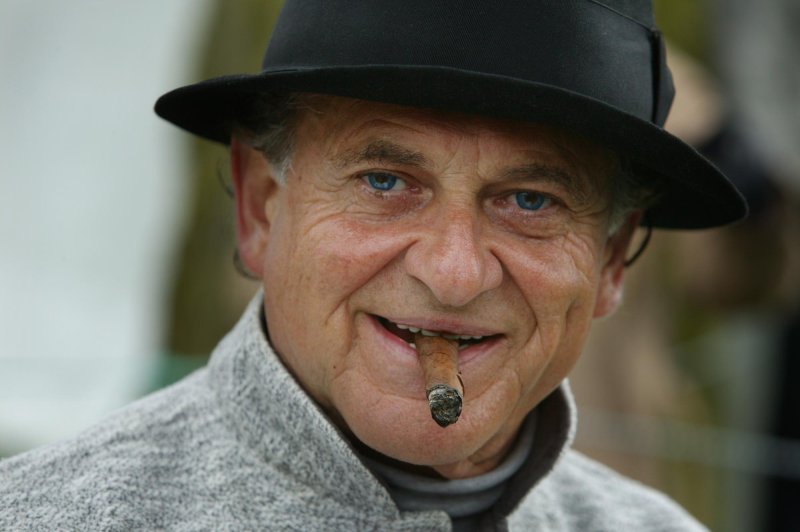
Joe Pesci’s career rests on a specific passion: building characters through internal tension and mastery of detail. Far from conventional stardom, his path unfolded as a craft practice grounded in observing human behavior, gestural economy, and a deep understanding of violence, humor, and fragility as narrative elements. That dedication shaped both his professional trajectory and his personal decisions.
Origins and Early Formation
Raised in an urban environment marked by the coexistence of immigrant cultures, Pesci connected early with music and performance. Before establishing himself as an actor, he worked as a guitarist and singer, an experience that influenced his sense of rhythm, listening, and dramatic tempo. This non-academic training—built on constant practice—formed a work ethic centered on rehearsal, repetition, and precision, elements he later carried into film.
Acting as Discipline
Pesci approaches acting as an exercise in control rather than display. His performances are defined by contained intensity, where every gesture serves a narrative function. He does not build characters through exaggeration, but through the accumulation of small expressive decisions. This method demands total commitment to the script and the character’s psychology, and it explains why many of his roles feel unsettling even in brief scenes.
Creative Partnership and Consolidation
His professional relationship with Martin Scorsese proved decisive. In films such as Raging Bull and Goodfellas, Pesci brought a particular energy: unpredictable characters capable of shifting from warmth to violence in seconds. That ability is not accidental, but the result of close reading of power dynamics and of what silence implies. His portrayal of Tommy DeVito earned him an Academy Award, recognition that consolidated a career already respected within the industry.
Versatility and Breaking Expectations
Although he is often associated with hard-edged roles, Pesci demonstrated notable range. In My Cousin Vinny, he explored comedy through verbal precision and timing, avoiding cartoonish excess. That register confirmed that his passion for acting was not tied to a single type of character, but to the technical challenge of each role. Comedy, in his case, relies on the same rigor as drama: listening, pause, and exactness.
Relationship with the Industry and Personal Choices
Unlike other actors of his generation, Pesci chose extended periods of retirement. These decisions did not stem from public conflicts, but from a selective relationship with work. His personal life remained deliberately outside the media spotlight, reinforcing the image of a professional who prioritizes the project’s meaning over exposure. This stance reflects a view of cinema as a workplace, not a platform for permanent visibility.
Music, Silence, and Balance
Music remained a constant in his life. Recording albums and playing instruments functioned as a counterweight to acting—a space to channel creative energy without the demands of a set. That balance helps explain his artistic longevity and his ability to return with mature performances, as in The Irishman, where he delivered a more restrained and reflective register.
Influence and Legacy
Joe Pesci’s influence can be seen in later generations of actors who study his control of conflict and his expressive economy. His legacy is not built on volume of roles, but on the quality and coherence of an oeuvre assembled with patience. Each character reveals absolute dedication to craft and a deep grasp of human nature—traits that explain why his work continues to be analyzed and referenced in contemporary cinema.
Artistic Outlook
Pesci represents a form of quiet passion: that of the professional who chooses when and how to work. His career shows that sustained dedication, combined with judgment and self-control, can produce lasting impact without constant presence. In that model, acting asserts itself as an artisanal practice, where time and experience become the main creative allies.