
Carlos Gardel
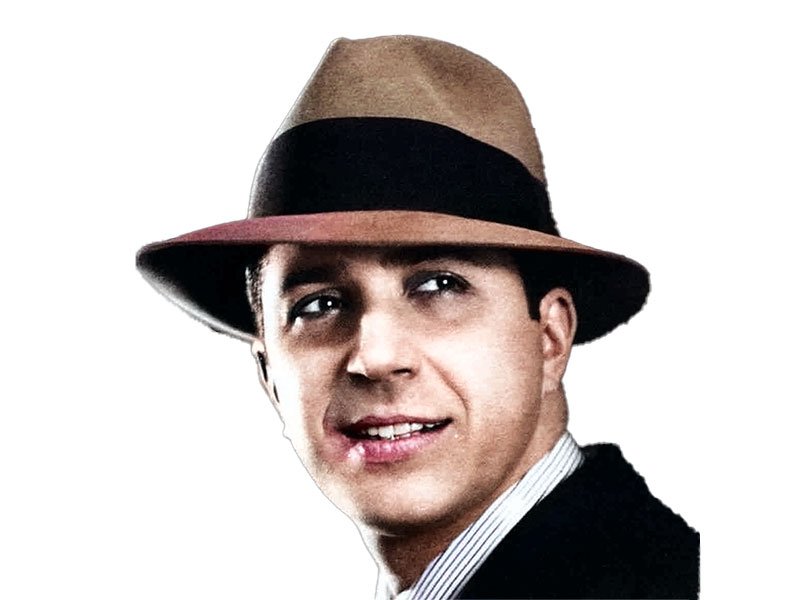
Carlos Gardel configured one of the most influential trajectories in 20th-century popular music. His figure transcends the artistic field to become a cultural phenomenon associated with Río de la Plata identity. The combination of vocal technique, aesthetic construction, and contextual awareness enabled the transformation of tango from a marginal expression into an exportable cultural product.
Origin and identity
Gardel’s origin forms part of a complex symbolic construction, shaped by multiple versions regarding his birthplace. The most consistent documentation places him in Toulouse, while his artistic development unfolds in Buenos Aires. This duality contributes to a hybrid identity, linked both to Europe and the Río de la Plata, within a context of intense social and cultural transformation.
Early steps in music
His beginnings are rooted in the criollo repertoire, performing popular styles prior to the consolidation of tango canción. This period allowed him to develop vocal tools and understand audience dynamics. The transition toward tango occurred gradually, alongside the genre’s evolution within Buenos Aires’ urban circuits.
The emergence of tango canción
The recording of Mi noche triste in 1917 introduced a narrative structure into tango, incorporating lyrics with dramatic development. Gardel not only performed this form but established it as the dominant model. From that point, tango ceased to be exclusively instrumental and acquired an expressive dimension centered on the voice.
Vocal technique and style
Gardel’s interpretation is grounded in control of phrasing, clarity of diction, and precise timing. His voice does not rely on volume but on accuracy. This approach constructs a contained emotionality that becomes distinctive. The repetition of this method established a standard that influenced subsequent generations of singers.
International expansion
During the 1920s and 1930s, Gardel propelled the circulation of tango beyond the Río de la Plata. His tours and recordings positioned him across Europe and Latin America. The recording industry and the rise of sound cinema amplified his reach, enabling tango to become an exportable cultural product.
Cinema and image construction
His involvement in cinema introduced a visual dimension that reinforced his artistic identity. Gardel built a coherent image based on elegance and stage control. The films in which he participated not only disseminated his music but also consolidated a model of the integrated artist, where voice, presence, and narrative operate in alignment.
Controversies and myth-making
Debates regarding his birthplace form part of a broader process of myth construction that transcends biography. His death in a plane crash in Medellín in 1935 reinforced this symbolic dimension. The interruption of his career at its peak fixed an image untouched by decline, consolidating his permanence in collective memory.
Passion as a working system
Gardel’s relationship with his craft was structured around discipline and repetition. His production reflects a comprehensive understanding of the artistic process, from repertoire selection to adaptation to emerging technologies. This working logic allowed him to sustain quality and coherence in a context of constant change.
Legacy and enduring relevance
Carlos Gardel remains a central reference within tango and popular music. His influence extends beyond his recordings, shaping approaches to performance and production. The persistence of his figure results from a combination of innovation, consistency, and the capacity to adapt across cultural contexts.