
Brigitte Bardot
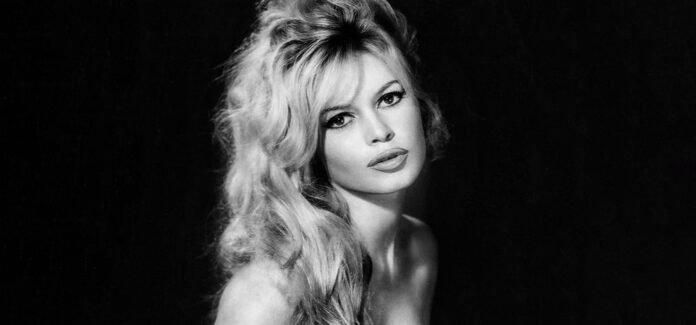
Brigitte Bardot’s passion appeared early as a force that was difficult to tame. In an artistic environment shaped by rigid conventions, her presence introduced a disruptive energy that combined sensuality, autonomy, and an unvarnished relationship with the desire to live on her own terms. That personal drive guided both her professional choices and her later withdrawal from the system that made her famous.
Early training and initial sensibility
Born in Paris in 1934, Bardot initially trained in classical dance. That rigorous discipline coexisted with an introspective sensibility that never fully adapted to the social codes of her time. Before becoming an actress, her bond with the body already functioned as a form of personal expression, associated more with freedom than with discipline—a trait that would later carry into her acting and into the way she inhabited fame.
Cinematic breakthrough and the construction of an image
Her arrival in French cinema occurred during a period of cultural renewal. Bardot did not fit the traditional star mold: her appeal lay in a naturalness that challenged the solemnity of the star system. Films such as And God Created Woman turned her into an international phenomenon, not only for their aesthetic impact but also for the symbolic charge they introduced around female autonomy.
Passion as engine and limit
The same intensity that propelled her career was also what led her to question it. Bardot experienced acting as constant exposure that collided with her need for privacy. Unlike other performers, she did not pursue a long technical evolution within the industry; instead, she began to see cinema as a restrictive space when measured against her desire for personal coherence.
Break with the industry and a conscious retreat
In the early 1970s, Bardot made an uncommon decision: she left cinema at the height of her recognition. That withdrawal did not reflect professional decline, but a vital choice. The passion that had once been channeled through acting shifted toward a cause that would structure the rest of her public life: the defense of animals.
Activism and a transformation of public meaning
Far from being a marginal activity, her commitment to animal activism acquired an institutional dimension with the creation of the Brigitte Bardot Foundation. From there, she promoted campaigns against abuse, hunting, and exploitation, becoming an influential figure in global ethical debates. Her interventions were marked by a direct tone—often uncomfortable—consistent with her personality.
Personal life and inner coherence
Bardot’s private life was shaped by intense relationships and radical decisions. Beyond media exposure, her trajectory shows a persistent search for coherence between thought, action, and environment. That coherence helps explain both the loyalties she inspired and the controversies she generated, always driven by a personal logic rather than a strategic one.
Cultural and symbolic legacy
Brigitte Bardot left a mark that exceeds her filmography. Her figure condenses a way of understanding passion as an organizing principle of existence, even when it requires renunciation. In the cultural history of the twentieth century, her legacy sits within the tension between individual freedom, public visibility, and ethical responsibility—a combination that continues to produce new readings and debates.