
Angela Lansbury
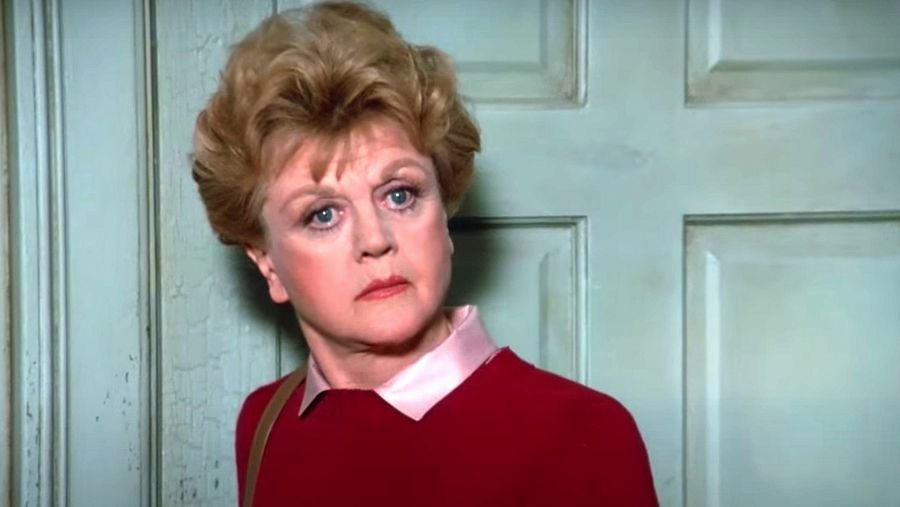
The trajectory of Angela Lansbury was sustained by a passion that guided each artistic decision and shaped a working method built on discipline and sensitivity. Her presence across film, theatre, and television showed a consistent ability to adapt. That long vocational drive allowed her public image to span generations and remain associated with characters that became reference points within the English-language screen tradition.
Early passion as creative engine
From childhood, she treated acting as a space that could turn restlessness into direction. Her relocation to the United States during the war years worked as a catalyst, bringing a young performer into contact with an expanding studio system. Passion operated as a mechanism for organizing intense emotions and converting them into disciplined work, establishing the base of a career that preserved focus and stamina across eight decades.
First steps in Hollywood
Her debut in Gaslight at eighteen revealed an interpretive maturity that drew early attention. Lansbury contributed restraint and emotional weight without relying on ornamental gestures, outlining a personal style from the outset. She understood that her strength could lie in supporting complex narratives from roles that were not always central, an instinct that shaped her position within classical cinema and reinforced a method grounded in rigorous observation.
Diversity as a professional strategy
In her early career she accepted roles across different genres to expand her technical repertoire. Musicals, dramas, and comedies functioned as training grounds for new tools while preventing the rigidity of typecasting. Variety worked as a longevity strategy: each project required her to rebuild her approach without losing an internal coherence. That practice reinforced an adaptable style that could move with the industry’s changing rhythms over decades.
Broadway as a territory of expansion
Musical theatre offered a space where her vocation could operate in a more integrated way. The combination of voice, movement, and rhythmic precision allowed her to develop distinctive stage control. Productions such as Mame, Gypsy, and Sweeney Todd showed an interpretive force built on balance between technique and emotional commitment. Each performance demanded endurance and refinement, turning the stage into a creative laboratory.
A global face on television
Murder, She Wrote consolidated her reach for audiences worldwide. Jessica Fletcher combined intelligence, warmth, and steadiness—qualities Lansbury translated into a portrait that felt daily and accessible. Over more than a decade she sustained a character that required attention to detail and narrative stability. Her performance helped the series outlive its original format and remain a television reference anchored in her screen presence.
Professional ethics and permanence
Her understanding of the craft rested on strict discipline and deep respect for collective creative processes. Colleagues often noted her punctuality, memory, and care for each stage of production. That ethic became a driver of permanence, enabling adaptation to technological, aesthetic, and industrial change without friction. Her career illustrates how consistency can sustain relevance over long spans of time.
Personal life in dialogue with her vocation
Family challenges in the 1970s pushed her to reorganize priorities and move to Ireland in search of stability for her children. The decision showed that passion did not operate in isolation but alongside affective responsibility. Her career reconfigured without losing intensity, reflecting a practical understanding of balance between private life and vocation and reinforcing the ethical coherence behind her choices.
Recognitions and legacy
Her accumulated awards reflect a path that combined dedication with versatility. Multiple Tony Awards, an honorary Academy Award, and major television recognition secured her place in entertainment history. Her contribution can be read as an invitation to treat acting as a discipline of continuous study. New generations still find in her career a model of rigor, adaptability, and sustained commitment with influence that continues to radiate.