
Amy Madigan
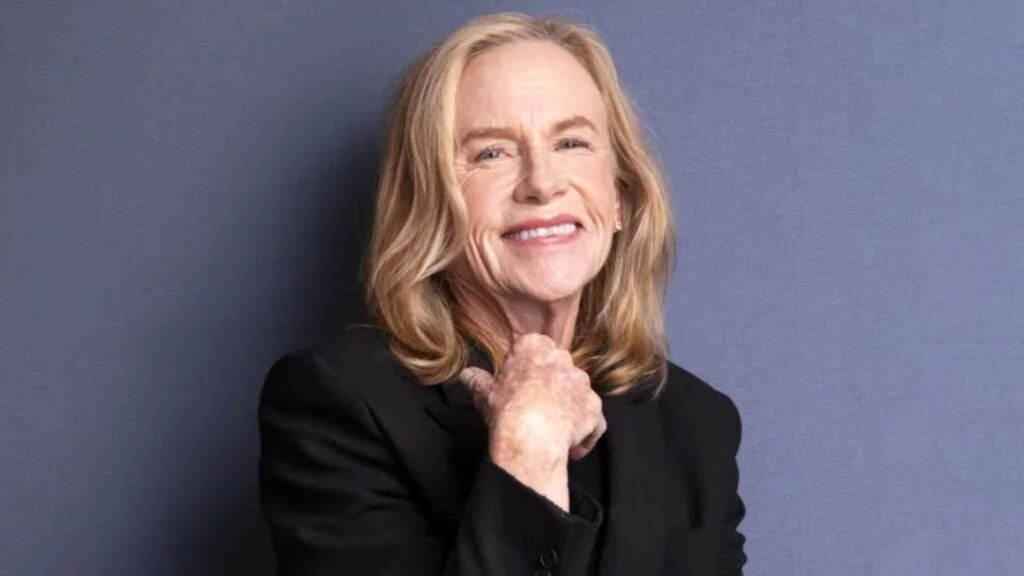
Amy Madigan built a trajectory grounded in technical consistency and selective project choices. Her career does not rely on continuous exposure but on the depth of her performances and a sustained relationship with the craft of acting. The combination of rigorous training, versatility, and professional coherence explains her presence across film, television, and theater over several decades.
Training and Technical Foundation of Acting
Amy Madigan’s early development was linked to Chicago’s cultural scene, where theater operates as a continuous training environment. Her education at the Lee Strasberg Theatre Institute introduced tools focused on emotional exploration and internal character construction. This approach prioritizes control over the interpretative process rather than superficial improvisation, establishing a technical base that runs throughout her career.
Early Recognition and Film Consolidation
Her role in Places in the Heart marked a moment of visibility within the industry, earning an Academy Award nomination that validated her ability to sustain dramatic intensity in supporting roles. This type of recognition depends on interpretative precision within complex narrative structures rather than leading status. From that point onward, her presence in film developed with a logic of continuity.
Versatility Across Genres and Narrative Registers
Throughout her career, Madigan moves between drama and comedy without altering the coherence of her style. In Field of Dreams and Uncle Buck, she adapts to different narrative tones while maintaining character depth. This ability to shift across genres reflects a structural understanding of the script and the function of each role within the broader composition of the work.
Project Selection as an Expression of Commitment
Amy Madigan’s professional decisions reveal a selection criterion guided by material quality and character complexity. This approach may reduce exposure at certain moments but reinforces the consistency of her trajectory. Her dedication to the craft is reflected in the prior analysis of each project, where acting is approached as a process rather than an immediate outcome.
Television and Adaptation to Extended Formats
In television, her participation in series such as Carnivàle demonstrates adaptation to long-form narratives. This format requires sustaining character development over time, with gradual variations and internal coherence. Her previous experience in film and theater supports this transition, allowing her to integrate technical resources within a more dynamic and continuous production environment.
Personal Life and Relationship with the Profession
Her relationship with actor Ed Harris reflects an articulation between personal and professional life built around a shared craft. Their collaborations suggest a working dynamic where acting integrates into daily life without depending on public exposure. This structure enables sustained continuity while avoiding excessive media visibility.
Theater as a Space for Continuous Training
Theater occupies a structural role in her development as an actress. Unlike film, where editing shapes the final result, the stage demands real-time precision. Theatrical practice strengthens skills such as vocal projection, physical control, and the construction of dramatic rhythm. This constant return to the stage operates as an ongoing technical adjustment mechanism.
Structural Reading of a Sustained Career
Amy Madigan’s trajectory reveals a framework based on training, selection, and adaptation. Technical formation establishes the foundation, project selection defines coherence, and adaptation to different formats ensures continuity. This structure reduces dependence on trends and supports a stable presence within the audiovisual industry.
Persistence as a Form of Professional Passion
Madigan’s career reflects a relationship with acting understood as sustained practice. Passion is not expressed through discourse but through disciplined repetition, conscious role selection, and continued presence across formats. This model of professional construction allows for long-term relevance without reliance on cycles of popularity or momentary exposure.